



Elf Bar Pods: A Retailer’s Stocking Guide
A customer asks for an Elf Bar refill, but what they actually need is a replacement pod for the exact kit already in their pocket. That small distinction is where good counter service, fewer returns and better repeat sales begin. Elf Bar pods are a familiar search term, yet the right product depends on the device range, pod format, nicotine strength and the current UK rules affecting the category.
For convenience retailers and vape shops, the opportunity is straightforward: stock recognised pod systems clearly, keep compatible replacement lines close to the kits, and make buying decisions easy. For adult vapers, it means choosing a rechargeable setup that is convenient without repeatedly replacing the whole device.
What are Elf Bar pods?
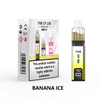
Elf Bar pods are prefilled or refillable cartridges designed to work with specific rechargeable Elf Bar devices. They hold e-liquid and, depending on the product range, may contain an integrated coil. When the pod is empty or its flavour starts to fade, the customer replaces the pod rather than discarding the complete battery device.
That makes pods a practical category for retailers. A starter kit sale can lead to repeat pod purchases, while existing users often know the flavour profile they want and want a quick, reliable replacement. The purchase is usually fast, but only if the compatible pod is in stock and clearly labelled.
Do not treat every product carrying the Elf Bar name as interchangeable. Pod families are built for particular devices, and the connection, capacity and coil specification can differ between ranges. A pod that looks similar on the shelf may not fit the customer’s kit. The product name, device compatibility statement and packaging should always drive the sale.
Elf Bar pods and kit compatibility
Compatibility is the first question to settle before discussing flavours or multi-buy value. Ask the customer which kit they use, or ask to see the device if they are unsure. The brand name alone is not enough. Product ranges evolve quickly, and packaging can be especially useful when a customer has upgraded from an older device.
Prefilled pods versus refillable pods
Prefilled pods arrive ready to use with e-liquid already inside. They suit adult vapers who value speed, consistent flavour and no bottle handling. For busy retail customers, that convenience is a major selling point: insert the pod, allow it to settle if directed on the pack, and use the device as intended.
Refillable pods are empty cartridges that the user fills with a compatible e-liquid, commonly a nic salt for a smoother mouth-to-lung vape. They offer greater flavour choice and can be more economical over time, but they require a little more involvement. Customers need to buy the right e-liquid, avoid overfilling and replace the pod when the coil reaches the end of its life.
Neither format is automatically better. Prefilled pods can generate simple repeat purchases and reduce choice overload. Refillable systems create e-liquid cross-selling opportunities and appeal to customers who want more control over flavour and nicotine strength. A balanced pod wall should reflect the buying habits of the local customer base rather than relying on one format alone.
Avoid the most common mismatch
The most common mistake is buying on flavour name rather than device range. A popular flavour may be available across several Elf Bar product families, but those pods may not be physically compatible. Put the device family first on shelf tickets and in product titles, then the flavour and nicotine strength.
For online orders, use clear images and product descriptions that state exactly which kit the pod is made for. For shop teams, a simple compatibility reference behind the counter can prevent unnecessary refunds and keep queues moving at peak times.
Flavour and nicotine choices that move
Familiar fruit, drink-inspired and cooling profiles tend to attract repeat demand, but the strongest sellers vary by store. A city-centre convenience shop may see fast turnover in recognisable, straightforward flavours, while a specialist vape retailer may benefit from a broader selection that gives established users more choice.
The sensible approach is to lead with proven lines, then test smaller quantities of newer flavours. Review sales at unit level, not just by outer box. A flavour that sells quickly as a single unit may deserve a deeper case order, while a slow-moving novelty profile can tie up cash and shelf space.
Nicotine strength matters just as much as flavour. Adults moving away from cigarettes may prefer a strength that gives dependable satisfaction, while some established vapers choose lower options. Stock only products intended for the UK market and present strengths clearly. Retail staff should never guess what is in a pod or make health claims. The packaging is the reference point.
Stocking Elf Bar pods for fast repeat sales
Pods are replenishment products, so availability is often more valuable than an oversized range. If a customer cannot find the replacement they need, they may buy elsewhere and take future kit purchases with them. Build depth in your core compatible lines before extending into every flavour variation.
Start by matching pod stock to the kits you actively sell. If a particular Elf Bar kit is prominent in-store or regularly bought online, its replacement pods should be easy to find in the same shopping journey. Keep bestselling flavours in enough depth to cover delivery cycles, weekends and promotional periods.
For trade buyers, calculate the real unit economics. Compare outer quantities, the cost per pod, projected sell-through and the margin available at your intended retail price. A lower case price is only good value if the line turns quickly and remains within its suitable sale period. High-volume packs can work well for proven products, while new or niche variants are better tested in smaller quantities first.
At Vapeo, trade customers can use a broad multi-brand catalogue to compare pod formats alongside kits, nic salts and related convenience lines. That makes it easier to top up core stock in one order rather than chasing individual products from multiple suppliers.
Compliance and responsible retailing
Elf Bar pods are age-restricted vaping products and must only be sold to adults aged 18 and over. Apply a consistent age-verification process in-store and online. A recognisable brand or bright flavour name does not change the need for responsible retail practice.
UK vaping rules have changed significantly, including restrictions affecting disposable vapes. Do not assume a product is compliant simply because it is rechargeable or because the word “pod” appears on the packaging. Check current requirements before buying, listing or selling stock. This includes the relevant product notifications, labelling, nicotine and tank-capacity limits, packaging requirements and local trading standards guidance.
For retailers, the practical rule is simple: buy from established UK suppliers, retain invoices and product information, and investigate anything that looks incorrectly labelled, unusually cheap or inconsistent with normal packaging. Counterfeit or non-compliant products can create more than a refund problem. They can damage customer trust and expose the business to enforcement risk.
Storage, merchandising and customer care
Store pods in a cool, dry place away from direct sunlight and excessive heat. Rotate stock using first-in, first-out practice and check packaging condition during replenishment. Damaged boxes, missing warnings or poor seals should be removed from sale and raised with the supplier.
Merchandise matters too. Keep pods beside their compatible kits where possible, but separate each device family clearly. Display flavour names and nicotine strengths in readable type. A customer who can identify the correct pod in ten seconds is more likely to return for the same product than one who has to ask whether every cartridge on the shelf fits their device.
If a customer reports weak flavour, leaking or poor vapour, establish the basics before assuming the pod is faulty. Check that the pod matches the kit, that it is seated correctly, that the device is charged and that the product has been used according to the instructions. If there is a genuine fault, follow your returns process and keep a record of the batch details where available.
The best Elf Bar pod range is not necessarily the biggest one. It is the range that matches the kits your customers own, stays compliant, turns quickly and is replenished before a regular customer has to ask where their usual flavour has gone.