



MTL Versus DTL Vaping Explained Clearly
A device can be well made, popular and competitively priced, yet still be the wrong fit if the vaping style does not match the user. That is why MTL versus DTL vaping is one of the first distinctions worth understanding when choosing kits, pods, tanks, coils and e-liquids for adult customers. The difference is not just jargon. It affects how the inhale feels, the amount of vapour produced, the nicotine strength that may suit the device, and the replacement products a customer is likely to buy.
For retailers, getting this right also makes product recommendations faster. A customer asking for a compact pod kit with a cigarette-like draw is shopping differently from an experienced vaper looking for high wattage, open airflow and dense clouds.
What do MTL and DTL mean?
MTL means mouth-to-lung. Vapour is drawn into the mouth first, then inhaled into the lungs. It is a two-stage inhale, similar to the way many adults use a conventional cigarette. The draw is usually tighter and more restricted, with lower vapour output.
DTL means direct-to-lung. Vapour is inhaled straight into the lungs in one longer breath. This is a more open, airy style that generally produces more vapour and calls for more power. Some products are also described as RDTL, or restricted direct-to-lung, which sits between the two: looser than MTL but not as open as full DTL.
Neither style is automatically better. The right choice depends on experience, preferred sensation, nicotine requirements, practical battery life and whether a customer wants the simplicity of pods or the flexibility of a tank and mod setup.
MTL versus DTL vaping: the feel of the draw
The most noticeable difference is airflow. MTL devices use a narrow airflow path, creating resistance as the user draws. This can make the vapour feel more concentrated and controlled. Many starter kits, prefilled pod devices and refillable pod kits are designed around this style, often with a simple fixed airflow or a small adjustable slider.
DTL devices have wider airflow, allowing a larger volume of vapour through the coil. The inhale is smoother and less restricted, but it is also more substantial. A DTL setup is usually paired with a sub-ohm coil, higher wattage and a larger tank or pod. It is aimed at adults who prefer flavourful, warmer vapour and visible cloud production.
RDTL is worth stocking and explaining because it covers a common customer preference. An adjustable pod kit can often be set for a comfortable restricted draw, giving users room to experiment without moving immediately to a large advanced kit.
Device types and hardware requirements
MTL vaping is most commonly associated with compact rechargeable pod kits, pen-style devices, low-power vape kits and replacement pods. These devices typically use higher-resistance coils, often 0.8 ohm or above, and operate at modest wattages. They are convenient for customers who value portability, straightforward refilling and a discreet amount of vapour.
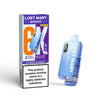
A closed-pod system keeps the process particularly simple: fit a compatible prefilled pod, charge the battery and replace the pod when it is empty. Refillable MTL pod kits offer more flavour choice and can be a sensible option for customers who want to select their own e-liquid while retaining a small, practical device.
DTL vaping generally requires more capable hardware. Sub-ohm tanks, high-output pod mods and box mods use lower-resistance coils, often below 0.6 ohm, and need greater power from the battery. More power heats e-liquid faster, which creates the larger vapour volume associated with DTL.
That extra performance comes with trade-offs. DTL devices can use e-liquid more quickly, require more frequent charging and need compatible coils replaced at the right time. They also tend to be less pocket-friendly than a slim pod kit. For established vapers, those trade-offs may be worthwhile. For a customer who wants a low-maintenance introduction to refillable vaping, they may not be.
Why coil resistance matters
Coil resistance is a useful shortcut, but it is not the only specification that matters. Always check the manufacturer’s stated wattage range, the intended airflow and the recommended e-liquid type.
Higher-resistance coils normally suit lower power and tighter MTL draws. Lower-resistance coils are usually intended for higher power and RDTL or DTL use. Fitting the wrong coil, using it outside its recommended range or choosing an unsuitable liquid can lead to weak performance, leaking, harshness or a burnt taste.
For trade buyers, compatible replacement coils and pods should sit alongside every kit decision. A popular device without dependable consumable stock is rarely a good long-term recommendation.
Nicotine strength and e-liquid choice
Nicotine strength should be matched carefully to the device and vaping style. Because MTL kits create less vapour per puff, they are commonly used with higher-strength nicotine e-liquids, including nicotine salts. Nic salts are widely chosen for their smooth feel at strengths that may feel too strong in a high-power device. In the UK, nicotine-containing e-liquids are limited to a maximum strength of 20 mg/ml.
DTL setups produce more vapour with each inhale. As a result, users often choose lower nicotine strengths, such as 3 mg or 6 mg, depending on the device, their previous use and personal preference. Using a high-strength nicotine liquid in a powerful DTL kit can feel uncomfortably intense.
The liquid’s VG/PG balance matters too. MTL pod kits commonly perform best with 50/50 e-liquids or nicotine salts, as these are thinner and wick efficiently through smaller coil ports. DTL tanks and sub-ohm pods often suit higher-VG e-liquids, which support fuller vapour production but can be too thick for some compact pod coils.
Shortfills are frequently associated with DTL vaping because they are usually high VG and sold in larger bottle sizes. That does not mean every shortfill suits every sub-ohm kit, so checking the label and coil guidance remains essential.
Flavour, vapour and everyday practicality
MTL can deliver clear flavour in a restrained, focused way. The lower power and reduced airflow often make it easier to use in situations where a large cloud would be impractical. Battery life can also be stronger relative to the device size because the coil needs less power.
DTL offers a different flavour experience. Higher wattage, wider airflow and more vapour can make flavours feel broader and more pronounced, particularly in dessert, fruit and cooling blends. However, flavour is subjective. A tight MTL draw may suit one customer’s preferred tobacco or mint liquid better than a high-wattage DTL tank.
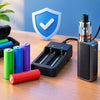
Cost of use is another real consideration. MTL users may get more time from a small bottle of e-liquid and a single battery charge. DTL users should expect greater liquid consumption and should keep spare coils and charged batteries available where their device uses removable cells. Good battery safety matters at every level: use the correct charger, avoid damaged batteries and follow the manufacturer’s instructions.
Helping customers choose the right style
The quickest route to a suitable recommendation is to ask how the customer wants the vape to feel. If they want a tighter draw, straightforward use, compact size and modest vapour, point them towards MTL pod kits, compatible pods and 50/50 or nic salt e-liquids. If they want open airflow, bigger vapour production and adjustable power, show them DTL-capable kits, sub-ohm coils and suitable high-VG liquids.
For adults unsure of their preference, an adjustable pod kit with a choice of compatible coil resistances can be a practical middle ground. It allows them to try a tighter or looser draw without buying a complete new setup. Just make sure the recommended liquid and wattage match the coil fitted.
Retail displays benefit from the same clear split. Grouping starter-friendly MTL kits with replacement pods, nic salts and 50/50 liquids helps customers make a complete purchase. Keeping DTL tanks, advanced kits, coils, batteries and shortfills together makes repeat buying easier and reduces avoidable compatibility questions.
A better purchase starts with the right question
Rather than asking whether a customer wants the best vape, ask whether they want a tight, cigarette-style draw or an open, cloud-focused inhale. That one question makes MTL versus DTL vaping easier to explain, helps match the right e-liquid to the right coil, and gives adult customers a far better chance of leaving with a setup they will actually enjoy using.