



Rechargeable Vape Charging: Practical Guide
A rechargeable pod device is only as useful as the charge it holds. For adult vapers, rechargeable vape charging should be simple: use the right cable, use a suitable power source and let the device complete its charging cycle without being left in risky conditions. For retailers, giving customers clear advice at the point of sale can prevent avoidable returns, protect device performance and encourage repeat purchases of compatible pods and accessories.
Rechargeable vapes have made everyday vaping more convenient, particularly compact prefilled pod kits and refillable pod systems with USB-C charging. But not every device, cable or plug is interchangeable. A few practical checks make a noticeable difference.
How Rechargeable Vape Charging Works
Most modern rechargeable vapes contain an internal lithium-ion battery. The charging port, usually USB-C and occasionally micro-USB on older devices, sends power to the battery through the device's charging management system. An LED indicator, screen icon or light pattern normally shows whether the device is charging, fully charged or needs attention.
The exact behaviour depends on the model. Some devices display a percentage on screen, while simpler pod kits may show a pulsing light during charging and a solid light once complete. Customers should always check the instructions supplied with that particular device rather than relying on the light pattern from another brand.
The key distinction is between a rechargeable device and a disposable product. A rechargeable pod vape is designed to be recharged and used with replacement or refillable pods, depending on its format. A disposable vape is not designed for recharging, even if it appears to have a port or contains a battery. Stock descriptions and packaging should make this clear, especially for customers moving from simple, prefilled formats into reusable kits.
Safe Rechargeable Vape Charging Habits
A suitable USB cable and a standard, reputable power source are the sensible starting point. Where a device includes a cable, that is normally the best option. If it does not, choose a good-quality cable that fits securely and is free from fraying, bent connectors or exposed wiring.
Charge the vape on a hard, level, non-flammable surface, away from direct sunlight, bedding, sofas, paper and other heat sources. It is best to remain nearby while charging and unplug the device once it is full. Overnight charging may feel convenient, but it is not good practice for any small lithium-ion device.
Avoid charging a vape that has been dropped heavily, is unusually hot, has a damaged port, is leaking or has a swollen battery casing. Stop using it if there is an unusual smell, excessive heat or repeated charging failure. Do not attempt to open the device, repair the battery or force a loose charging connection.
Fast-charging plugs are another area where customers should use care. Many compact vape kits do not need high-wattage charging and may not support it. A standard USB power source is usually the safer choice unless the manufacturer specifically confirms compatibility with a faster charger. The same applies to car chargers and power banks: they can be useful, but the cable, output and connection must be in good condition.
Keep the charging port clean
Pocket fluff is one of the most common causes of an unreliable connection. A customer may think the device has failed when the cable simply cannot sit fully in the port. With the device disconnected, inspect the port in good light and remove loose debris carefully with a dry, non-metal tool. Never put liquid into the port or scrape it aggressively with a pin.
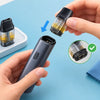
E-liquid condensation can also collect around the base of a pod and near the contacts. Remove the pod, wipe the contacts and surrounding area gently with a dry tissue, then allow everything to dry before reconnecting and charging.
How Long Should a Rechargeable Vape Take to Charge?
There is no single charging time for every vape. Small pod devices may take roughly 30 to 60 minutes, while larger battery kits can take longer. Battery capacity, the remaining charge, the power source and the device's own charging limit all affect the result.
A device that takes longer than expected is not automatically faulty. Charging from a low-output USB socket, using a worn cable or starting from a completely empty battery can all extend the time. On the other hand, a device that becomes hot, never reaches full charge or loses its charge very quickly deserves closer attention.
For best daily performance, there is no need to run the battery completely flat before recharging. Topping up when convenient is generally easier on both the customer and the device, particularly for people who rely on a compact pod kit through a long shift or journey.
Rechargeable Vape Charging Problems and Quick Checks
When a vape will not charge, start with the simplest causes. Try a known-working cable, inspect the port for debris and test the plug socket or USB power source with another device. Ensure the cable is fully inserted at both ends without forcing it.
If the device lights up but will not produce vapour after charging, the issue may be the pod rather than the battery. Check that the pod is correctly seated, remove condensation from the contacts and confirm there is e-liquid remaining if it is a refillable pod. A depleted or faulty pod, a burnt coil or an activation issue can look like a battery fault from the customer's perspective.
A flashing light may signal low battery, a short circuit, pod connection trouble or a safety cut-off. The meaning varies by manufacturer, so packaging and the device manual remain the first reference point. Retail teams can reduce unnecessary exchanges by asking what the light does, whether the device charges, whether a different cable has been tested and whether the pod has been checked.
Do not keep reconnecting a device that repeatedly cuts out or heats up during charging. That is the point to stop use and follow the manufacturer's support process. Battery safety is not an area for guesswork.
Stocking for Better Charging Confidence
For convenience retailers and vape shops, rechargeable devices sell more smoothly when the customer can see the ongoing purchase path. A pod kit is not a one-off item. It may lead to replacement pods, compatible e-liquid, charging cables and, for advanced kits, external battery and charger requirements.
Keep compatible replacement pods close to the device range in-store and make the pack quantity and pod compatibility easy to identify. Recognised brands such as Vaporesso, OXVA, Aspire, Uwell, Geek Vape and Innokin each use their own pod and coil families, so a vague request for a "replacement cartridge" should be narrowed down by device name and model before sale.
USB-C has become the expected format for many current devices, but retailers should not assume every customer has a suitable cable available. A practical range of quality mobile accessories can support add-on sales while helping customers avoid unsuitable or damaged charging leads. For trade buyers, multipacks of popular cables and high-turnover pod systems can make a useful convenience counter category alongside core vape stock.
It also pays to separate internal-battery devices from advanced mods using removable cells. Removable vape batteries require the correct battery type and, in many cases, a dedicated external charger. They should not be carried loose in pockets or bags with coins and keys. Customers buying this category often know what they need, but a quick compatibility check protects everyone.
A Simple Customer Handover
The most useful charging advice can be delivered in under a minute: confirm the charging port, point out the battery indicator, recommend a suitable cable and ask the customer not to leave the device unattended while it charges. If they are buying a pod system, show them where the pod contacts are and remind them to keep that area dry.
For a first-time adult vaper, this brief handover builds confidence with a rechargeable product that may otherwise feel more complicated than a disposable format. For experienced customers, it reinforces the habits that help devices last longer and keeps returns focused on genuine faults rather than cable or connection problems.
Frequently asked questions
Can I use my mobile phone charger for a rechargeable vape?
Often, yes, provided the cable fits correctly and the power source is suitable for the device. A standard, reputable USB plug is a sensible choice. Avoid assuming that every high-output fast charger is appropriate unless the manufacturer confirms it.
Why is my rechargeable vape flashing while charging?
It may be showing normal charging status, a poor cable connection, a pod contact issue or a fault warning. Check the device instructions first, then test a working cable and inspect the port and pod area for debris or moisture.
Should I charge my vape overnight?
No. Charge it on a clear, hard surface while you are awake and nearby, then disconnect it once the battery is full.
A well-charged reusable vape is a better everyday option only when the basics are handled properly. Choose compatible stock, keep charging advice clear and treat heat, damage and repeated faults as reasons to stop and check the device rather than carry on regardless.