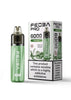




Rechargeable Vape Versus Disposable Vape
For a UK retailer, rechargeable vape versus disposable vape is no longer a simple choice between two formats on the shelf. Since the UK ban on the sale and supply of single-use vapes, rechargeable devices with replaceable pods or refillable tanks have become the practical route for compliant, repeatable vape sales. The opportunity is not just replacing an old product line. It is building a stronger repeat-purchase category around devices, pods, e-liquids and accessories.
For adult customers, the decision still comes down to the same things: how easy the product is to use, how much it costs over time, which flavours are available and whether it suits their routine. For trade buyers, there is another layer: dependable stock, clear compatibility and a range that keeps customers returning.
Rechargeable Vape Versus Disposable Vape: The Key Difference
A disposable vape was designed to be used until its e-liquid or battery ran out, then discarded as one unit. It offered a low-effort entry point, but the device, battery and plastic casing all became waste after a short lifespan.
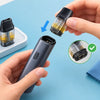
A rechargeable vape keeps the battery section in use. Depending on the system, the user either replaces a prefilled pod, refills a pod with e-liquid, or changes individual coils. The device is charged with a suitable USB cable and used again. That difference changes the value calculation straight away: users pay for the device initially, then buy lower-cost consumables as needed.
For retailers, rechargeable products also create a more useful category structure. A compatible pod kit can lead to repeat sales of replacement pods. A refillable starter kit can lead to e-liquid, coils, spare glass, batteries and chargers. It gives customers a reason to return beyond buying another sealed all-in-one product.
Why Rechargeable Systems Now Lead UK Vape Sales
The legal position matters. Retailers must not sell or supply single-use vapes in the UK. Stock that looks familiar to customers is not automatically compliant because it has a charging port. A product must meet the relevant requirements for reuse, such as being refillable or having replaceable components, rather than simply being a rechargeable item that is thrown away once the liquid is finished.
That makes product knowledge essential at the buying stage. Trade customers should source from suppliers that provide clear product details, pack formats and brand information, then check that each line meets current UK rules before putting it on sale. Packaging, product design and supplier documentation all deserve a proper review. Do not rely on old category labels or assumptions based on appearance.
The upside is that modern rechargeable pod systems are designed for convenience. Many use draw activation, prefilled replacement pods and compact batteries, so the experience remains familiar for adults moving on from older disposable formats. Popular brands have also expanded their compatible pod ranges, giving shops more scope to offer recognised names without carrying a confusing selection of unrelated devices.
Cost: Upfront Price Versus Ongoing Spend
A disposable format once looked cheaper because the customer paid one price and walked away with a ready-to-use device. Rechargeable vaping changes that first transaction. The customer buys a pod kit or starter kit, then purchases pods or e-liquid separately.
Over repeated use, this is often better value. The battery is retained, while only the used pod, coil or e-liquid needs replacing. The exact saving depends on the device, how frequently it is used and whether the customer chooses prefilled or refillable products. A prefilled pod system usually costs more per refill than topping up an open pod with bottled e-liquid, but it can be cleaner and simpler for someone who values speed.
This is where retailers can make the sale easier. Rather than presenting a rechargeable device as a more complicated alternative, explain the follow-up purchase clearly. A customer buying a compatible pod kit should know which pod range they need, how long a pod may last in normal use and whether the device arrives charged. Clear labelling around pod compatibility reduces returns and builds confidence at the counter.
For trade purchasing, look beyond the headline unit price. A lower-priced kit without dependable replacement pods can create a dead-end sale. A slightly stronger brand with regular pod availability, sensible pack quantities and a choice of strengths or flavours can produce better repeat business.
Convenience Depends on the Customer
Disposable vapes succeeded because there was very little to think about. There were no settings, no bottles and no replacement parts. Rechargeable systems now cover much of that same convenience, but not every format suits every adult user.
Prefilled pod kits are the closest match for customers who want a straightforward routine. Charge the device, click in a compatible pod and vape. They are a strong option for customers who prefer sealed pods, minimal maintenance and consistent flavour without handling e-liquid.
Refillable pod kits suit customers who want more flavour choice and better control of their ongoing spend. They require a little more care: filling the pod correctly, allowing the coil to saturate where needed and replacing coils or pods once flavour drops. For experienced vapers, that small amount of upkeep is usually worthwhile. For beginners, it is worth recommending a simple device rather than the most advanced kit on the shelf.
Battery capacity also affects convenience. A compact device is easy to carry but may need charging more often. A larger rechargeable kit can last longer between charges but may be less pocket-friendly. Ask how the customer normally uses their vape before suggesting a device. Commuting, long shifts, nights out and occasional use all point to different priorities.
Waste and Stock Planning Matter More Than Ever
Rechargeable vapes reduce the number of batteries and devices entering the waste stream because the main unit is retained. They do not remove waste altogether. Pods, coils, bottles and packaging still need responsible disposal, and batteries must never be put in general household waste. Retailers can help by reminding customers to follow local battery and electrical recycling guidance.
From a wholesale point of view, rechargeable formats can also make stock planning more predictable. The initial device sale is only one part of the range. Replacement pods and e-liquids create regular demand, especially when a shop stocks the best-known compatible products in a manageable selection of strengths and flavours.
Avoid filling the shelf with too many isolated systems. A tight range of recognised pod kits, the right replacement pods and a few dependable refillable options is often more productive than dozens of devices with no refill pathway. Keep fast-moving consumables deeper in stock than the hardware itself. If a customer cannot find the pod they need, they may switch brands or take their repeat spend elsewhere.
What Retailers Should Recommend Instead
The best replacement for a disposable vape is not always the same product. For adults who want the simplest possible route, recommend a rechargeable prefilled pod kit with pods available in familiar flavour profiles. Make sure the replacement pod is displayed nearby and that staff can explain the compatibility in one sentence.
For customers focused on value, a refillable pod kit paired with an appropriate e-liquid offers a lower-waste, longer-term setup. Nicotine salt e-liquids are commonly chosen for compact pod devices, but customers should always check the manufacturer guidance for their specific kit.
For established vapers, an advanced pod mod or tank kit may offer adjustable airflow, replaceable coils and a broader e-liquid choice. These products should be sold on suitability, not just features. More control is useful only when the customer wants it and understands the maintenance involved.
A good fixture gives customers a clear path: device first, compatible consumable second, then a useful spare such as an extra pod or charging cable. That keeps the choice simple while improving the chance of a successful first experience.
The Stronger Long-Term Choice
Rechargeable devices ask customers to make a small change in habit, but they offer a better long-term category for UK vape retail. They can be convenient, compact and familiar while creating more repeat purchase opportunities than a single-use product ever could.
The winning approach is to stock compliant, recognisable systems with replacement pods and e-liquids ready to go. Vapeo’s broad range of kits, pods and consumables can help trade buyers keep that pathway in stock, from a quick prefilled pod option to a refillable setup for customers who want greater choice. Match the format to the adult customer, keep compatibility clear and make the next purchase as easy as the first.