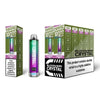




Pod Kit Versus Vape Pen: Which Stock Sells?
A customer asks for a rechargeable vape, wants something simple and is standing at the counter with two minutes to decide. That is where the pod kit versus vape pen choice matters. Both formats can offer a straightforward route away from disposables or cigarettes for adult customers, but they solve slightly different problems. For retailers, stocking both is often sensible. The key is knowing who each device is for, what replacement products they need and how to make the choice easy.
Pod Kit Versus Vape Pen: The Quick Difference
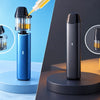
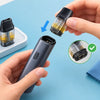
A pod kit is a compact rechargeable device that uses a detachable pod. Depending on the model, that pod may be prefilled and replaced when empty, or refillable and used with a compatible e-liquid. Many current pod kits use draw activation, so the user simply inhales rather than pressing a button. They are often designed around convenience, flavour consistency and quick pod changes.
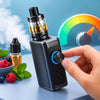
A vape pen is usually a longer, cylindrical rechargeable device. It commonly pairs a battery with a refillable tank or a pod-style cartridge, and some models have a fire button, adjustable airflow or variable power. The format has been around for years because it is familiar, portable and easy to hold. However, the term now covers a wide range of products, from basic starter pens to more capable refillable kits.
The practical distinction is not always the shape of the device. It is the ownership experience. Pod kits tend to prioritise fast, low-fuss replacement, while vape pens more often appeal to customers who are happy to refill e-liquid, change coils or have a little more control over their vape.
Why Pod Kits Move Quickly
For an adult customer moving on from disposable vapes, a pod kit can be the easiest next purchase. They get a rechargeable battery and the familiar convenience of replacing a pod, without learning coil resistance, tank filling or wattage settings. Closed-pod options are especially straightforward: charge the device, insert the matching pod and vape.
This makes pod kits strong counter products for convenience retailers and a dependable category for vape shops. Recognisable names such as Elf Bar, Lost Mary, Hayati and IVG can bring built-in customer confidence where compatible pod ranges are clearly displayed alongside the devices. The repeat purchase is obvious too: once a customer has selected a kit, they return for the correct pods.
For trade buyers, compatibility is the commercial point to watch. A device without its matching replacement pods is rarely a good sale. Buy pod kits and refill packs as a connected range, with enough flavour variety to encourage a second purchase but not so many lines that slow sellers take up valuable shelf space. Multi-pack pod formats can also improve unit economics for high-turnover shops.
There are trade-offs. Closed-pod systems tie the customer to a specific pod family, and not every brand will have a replacement range that suits every preference. Stock gaps are more noticeable too. If a popular pod format is unavailable, the customer cannot simply buy any bottle of e-liquid as an alternative.
Refillable Pod Kits Add Choice
Refillable pod kits sit between the simple pod system and the traditional vape pen. The pod is reusable for a period, while the customer tops it up with compatible e-liquid and replaces the pod or coil when flavour drops off. For many regular vapers, this is a strong balance of compact size, lower ongoing spend and broad flavour choice.
Brands such as Vaporesso, OXVA, Uwell, Aspire and Geek Vape have made refillable pod devices a major category, with options for mouth-to-lung and more open, restricted-direct-to-lung vaping styles. A customer using higher-strength nic salts will generally want a lower-power mouth-to-lung setup. Someone who prefers more vapour and lower-strength e-liquid may look towards a device with an adjustable airflow and more power.
That extra choice makes refillable pods excellent for a specialist retail display, but it also means staff need to be clear on the essentials: which pod fits which device, whether the pod has an integrated coil, and what e-liquid type suits the resistance. Clear labelling prevents returns and builds trust.
Where Vape Pens Still Earn Their Space
A vape pen remains a credible recommendation for adults who prefer a classic, no-nonsense kit. The narrow form factor feels familiar, slips into a pocket and can be less visually busy than a square or box-shaped pod device. Many basic pens are genuinely simple: fill the tank, charge the battery and use the button or inhale activation.
The bigger benefit is flexibility. A refillable pen with a tank lets customers choose from a wide selection of nic salts, freebase e-liquids and flavours, provided the liquid is suitable for the coil and power level. Instead of being limited to one pod catalogue, they can explore the wider e-liquid wall. This can create valuable repeat sales across bottles, coils and replacement tanks.
Vape pens can also make sense for customers who do not want to replace a whole pod when only the coil has reached the end of its life. On coil-based devices, a fresh coil may be all that is required. For experienced users, that can feel more economical and less wasteful.
The downside is maintenance. Tanks must be filled carefully, coils need priming, and leaking can happen if parts are damaged, incorrectly fitted or left in unsuitable conditions. A customer who wants zero maintenance may find this frustrating. For a new vaper, too many variables can turn a good device into a poor first experience.
Compare the Running Costs, Not Just the Kit Price
The cheapest device at the till is not necessarily the lowest-cost option over a month. The right comparison depends on how often the customer vapes, the e-liquid they use and whether they prefer a closed system or refillable setup.
Closed-pod kits have a clear, predictable spend. The user buys replacement pods, with no bottles or separate coils to manage. This is convenient, but regular users should compare the cost per pod with their expected usage. It suits customers who value simplicity and consistent flavour more than maximum flexibility.
Refillable pod kits and vape pens usually have a higher learning curve but can offer better value over time. E-liquid bottles generally provide more refills than buying one-use pods, while pods or coils are replaced only when performance falls away. The exact cost varies by device, e-liquid consumption and coil lifespan, so avoid one-size-fits-all promises at the counter.
For retailers, the best basket is not always the largest first sale. A starter device matched with the correct replacement pods, or a refillable kit matched with e-liquid and spare coils, gives the customer everything needed to use it properly. That is better for repeat custom than selling a kit without the consumables it relies on.
How to Stock the Right Mix
A balanced range should reflect how customers shop. Fast-moving closed-pod kits and prefilled replacement pods suit convenience-led purchases. Refillable pod kits serve the large middle ground of adults who want compact devices with e-liquid choice. Traditional vape pens, tanks and coils remain worthwhile for customers who prefer a familiar format or already buy specific e-liquids.
Keep the display simple. Place compatible products together, use clear device and pod names, and highlight whether a product is prefilled or refillable. Where space allows, group stock by use case: easy switch from disposables, refillable starter kits, and advanced adjustable devices. Customers should not have to guess whether a pod fits their battery.
Availability matters as much as range width. It is better to hold dependable depth in popular kits and their consumables than to have one unit each of dozens of systems. Vapeo's broad catalogue can help trade buyers build around established brands while topping up trending lines quickly, but purchasing should still follow local demand and sell-through data.
The Best Choice Depends on the Customer
Recommend a pod kit when an adult customer wants a compact rechargeable device with minimal maintenance, easy replacement pods and a familiar disposable-style experience. Recommend a refillable pod kit when they want the same portability but broader e-liquid choice and potentially lower ongoing costs. A vape pen is often the better fit for someone who likes tanks, wants to select their own e-liquid or prefers a classic cylindrical device.
All vaping products should be sold only to adults aged 18 and over, and retailers should keep up with UK product, packaging and local compliance requirements. It is also sensible to remind customers to use the correct charger where supplied, keep batteries away from heat and replace worn pods or coils rather than trying to force extra life from them.
The most useful recommendation is the one a customer will actually keep using. Ask whether they want pods or bottles, how much maintenance they are comfortable with and whether they value simplicity or control. That short conversation turns a pod kit versus vape pen question into a confident, repeatable sale.